
Byzantine Turkey Through Light Stone and Mosaics
Byzantine Turkey is best understood through the details that survive in its buildings. A dome draws the eye upward. A mosaic catches the light. A stretch of city wall reveals how a capital defended itself. Together, these features tell the story of the Byzantine Empire across the lands that are now Turkey.
Constantinople, the empire’s capital, stood at the center of this history. Yet Byzantine heritage reaches beyond Istanbul. Churches, monasteries, fortifications, and underground spaces across the country show how local communities adapted imperial art and architecture to different landscapes.
Look upward in the imperial city
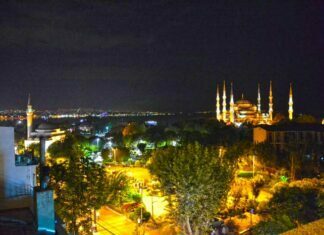
In Istanbul, Hagia Sophia remains one of the most recognizable monuments associated with Byzantine architecture. Its immense dome and layered history make it a powerful place to consider how engineering, faith, and imperial ambition came together. Other sites, including historic churches and sections of the city walls, reveal different aspects of life in Constantinople.
A guided visit can help explain how the city changed over time and how buildings were adapted as political and religious circumstances shifted. Travelers interested in the region’s earlier urban history can also explore Roman Bulgaria, where roads and city remains offer a view of the Roman world before the Byzantine period.
Find Byzantine art beyond Istanbul
Across Turkey, Byzantine architecture takes many forms. In Cappadocia, churches carved into rock preserve painted interiors shaped by the surrounding landscape. In other regions, monasteries and church ruins stand among hills, valleys, and former settlements. These places show that Byzantine culture was not limited to the capital.
Look closely at frescoes, carved stone, arches, and the way a building fits its setting. A guide can help distinguish different periods and explain how artistic traditions traveled between cities. Some historic interiors have conservation rules or limited access, so check visitor information before planning a visit.
Make a route around your interests
Byzantine sites are spread across Turkey, so a focused itinerary is usually more comfortable than trying to cover several distant regions in a few days. You might spend time in Istanbul, combine it with nearby monuments, or build a longer route around churches and monasteries elsewhere.
For help selecting destinations or arranging a private cultural tour, contact our team. Sharing your travel dates, interests, and preferred pace can help shape a practical itinerary.
Travelers exploring other historic cities in the region may also enjoy Ancient Serdica in Sofia, where archaeological remains sit within the modern capital.
Follow the transition into Ottoman times
The Byzantine story did not disappear all at once. After Constantinople came under Ottoman rule in 1453, many existing structures continued to shape the city. New buildings and traditions developed alongside older architecture, creating the layered urban landscape visitors encounter today.
Explore Ottoman Turkey to see how later periods added new forms of architecture, public life, and cultural identity.
Experience Byzantine Turkey with context
Byzantine Turkey offers more than a list of historic buildings. Its churches, mosaics, walls, and carved spaces reveal how people worshipped, defended cities, and expressed authority across centuries. With a knowledgeable private guide, visitors can connect those details and experience the country’s Byzantine heritage at a thoughtful pace.