
A Different Way to Experience Turkey
Turkey in Winter reveals a quieter and often surprising side of the country. While summer is famous for beaches and coastal holidays, winter brings snow-covered mountains, peaceful historic streets, steaming traditional dishes and unique seasonal experiences. It is an excellent time for travellers who prefer cultural discovery, beautiful scenery and fewer crowds at many popular attractions.
From the lively streets of Istanbul to the fairy chimneys of Cappadocia and the ski resorts of eastern Turkey, winter offers a wide range of experiences. The right destination depends on whether you are looking for city sightseeing, outdoor adventures or a relaxing cultural journey.
What Is the Weather Like in Turkey During Winter
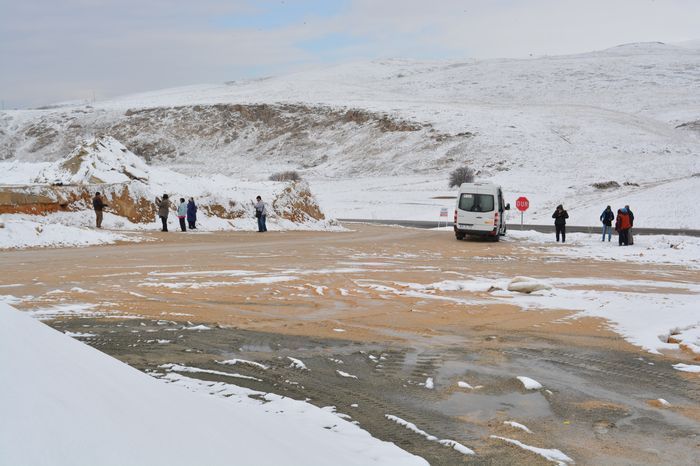
Winter weather varies considerably across Turkey. Istanbul is generally cool, with occasional rain and sometimes snow. Cappadocia can experience freezing temperatures and snowy landscapes, while eastern regions such as Erzurum and Kars have much colder conditions.
The Mediterranean coast is usually milder. Antalya and nearby coastal towns can still offer pleasant days for walking, although swimming and beach activities are less reliable than in summer.
December, January and February are the main winter months. Travellers should bring warm layers, waterproof footwear and a suitable winter coat, particularly if their itinerary includes central or eastern Turkey. Checking local forecasts before travelling is important because snow and weather conditions can affect transportation.
Istanbul in Winter for History and Local Atmosphere
Istanbul remains one of the most rewarding destinations throughout the winter season. Cooler weather creates a different atmosphere around its historic landmarks, and visitors can enjoy many indoor attractions without spending the entire day outdoors.
Topkapi Palace, Hagia Sophia, the Blue Mosque and Basilica Cistern are excellent choices for a cultural itinerary. The city’s museums, historic markets and traditional restaurants also provide enjoyable places to spend colder days.
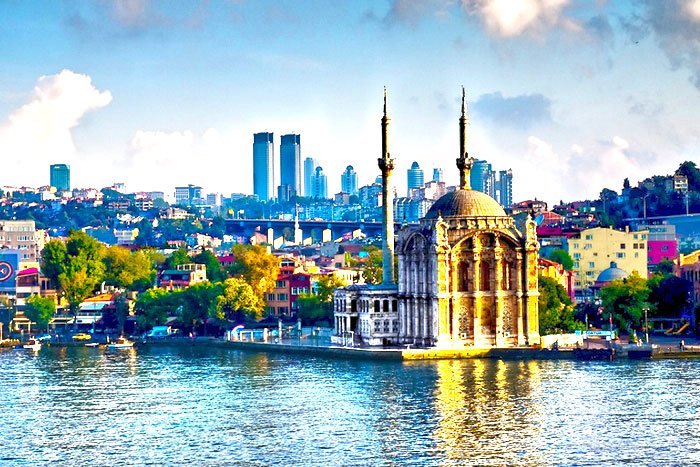
A Bosphorus cruise can be particularly beautiful on a clear winter afternoon. The contrast between historic waterfront mansions, mosques and the surrounding hills creates memorable views.
Winter is also a wonderful season to experience Turkish food. Warm lentil soup, kebabs, baked dishes, roasted chestnuts and traditional Turkish tea are especially comforting after a day of sightseeing.
Cappadocia Under a Blanket of Snow
Cappadocia is one of the most distinctive places to visit in Turkey in Winter. Snow covering the fairy chimneys and valleys creates a dramatic landscape that looks very different from the familiar summer scenery.
Visitors can explore the Goreme Open Air Museum, discover underground cities and walk through historic cave settlements. Some outdoor activities may require additional preparation because paths can become slippery and temperatures can drop significantly.
Hot air balloon flights are a famous Cappadocia experience throughout the year. Winter flights, however, depend on suitable weather and aviation safety conditions. Snowy views from above can be spectacular when flights are permitted.
Skiing and Outdoor Winter Activities
Turkey has several ski destinations suitable for different experience levels. Uludag, near Bursa, is one of the country’s best-known winter resorts and is popular with visitors from Istanbul. Erciyes, near Kayseri, offers extensive slopes with views of Mount Erciyes.
Palandoken in Erzurum is another important ski destination, known for its cold winter climate and mountain terrain. These resorts provide opportunities for skiing, snowboarding and enjoying the mountain atmosphere.
For travellers who want to combine Turkey with another Balkan destination, Bosnia offers another appealing winter experience, with mountain landscapes, historic towns and traditional hospitality.
Winter Culture and Seasonal Experiences
Winter is a good opportunity to explore Turkey’s everyday culture. Traditional cafes become welcoming meeting places, local markets offer seasonal products and restaurants serve hearty regional dishes.
In Istanbul, visitors can enjoy historic neighbourhoods, artisan shops and indoor cultural attractions. Those interested in architecture and cultural heritage may also appreciate the National Palace of Culture in Sofia, another interesting stop on a wider journey through Southeast Europe.
Is Winter a Good Time to Visit Turkey
Winter can be an excellent season if your priorities are history, city exploration, snow scenery and cultural experiences. It may not be the ideal choice for a traditional beach holiday, but it offers a different perspective on the country.
The best season depends on your destinations and interests. If you are comparing the four seasons before making a decision, our guide to the Best Time to Visit Turkey can help you choose the right travel period.
Plan Your Winter Journey
A successful winter itinerary should consider regional weather, transportation and daylight hours. Allow extra flexibility when travelling through snowy areas, and choose activities according to local conditions.
For assistance creating a private itinerary, selecting destinations or arranging a guided cultural tour, you can Contact Us and share your travel plans.
Discover the Winter Side of Turkey
Turkey in Winter offers much more than cold weather. It brings snowy landscapes, memorable cultural visits, welcoming restaurants and opportunities to explore famous destinations from a different perspective. Whether you choose Istanbul, Cappadocia or a mountain resort, winter can provide a rewarding and distinctive Turkish holiday.